Timber Species
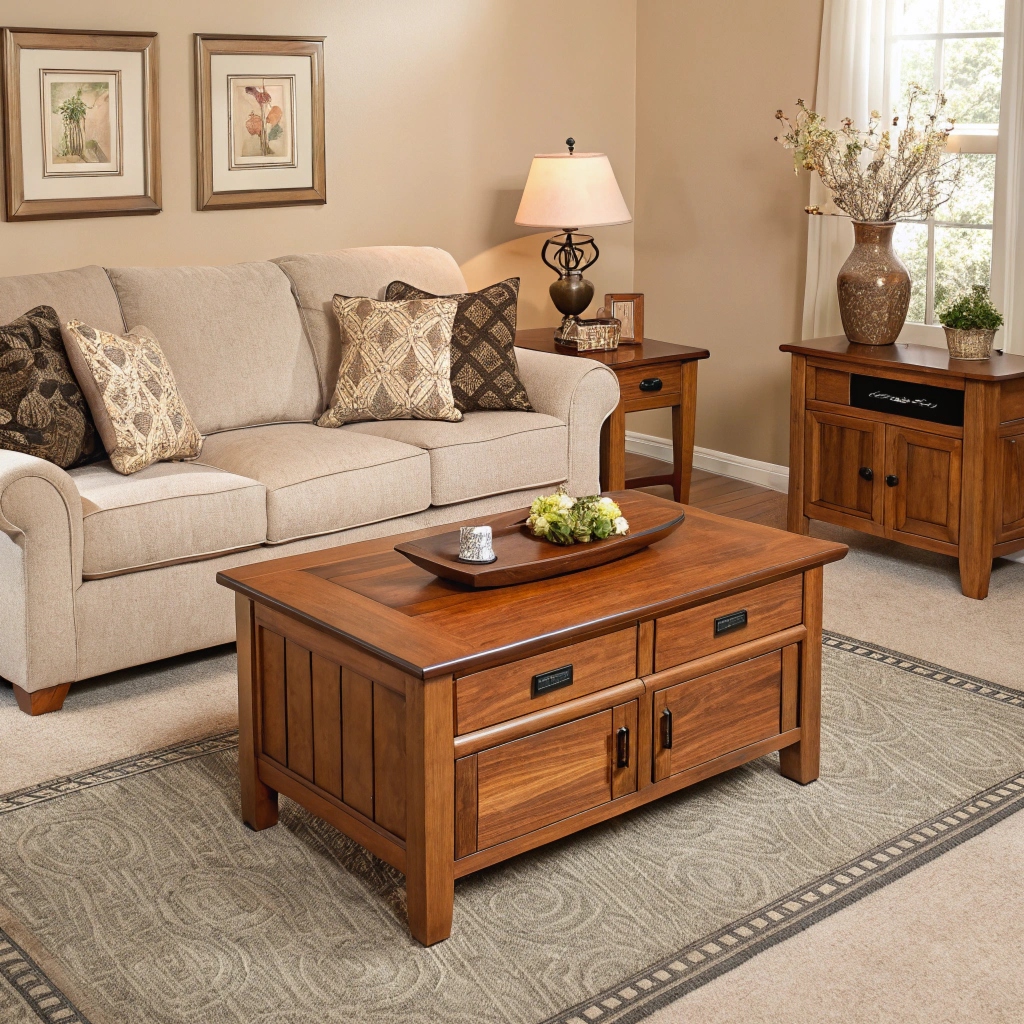
Blackwood
Australian Blackwood offers rich color variation from golden brown to deep chocolate. The grain is typically straight with occasional fiddleback figure. It works well for both structural elements and visible surfaces, providing a warm, sophisticated appearance.
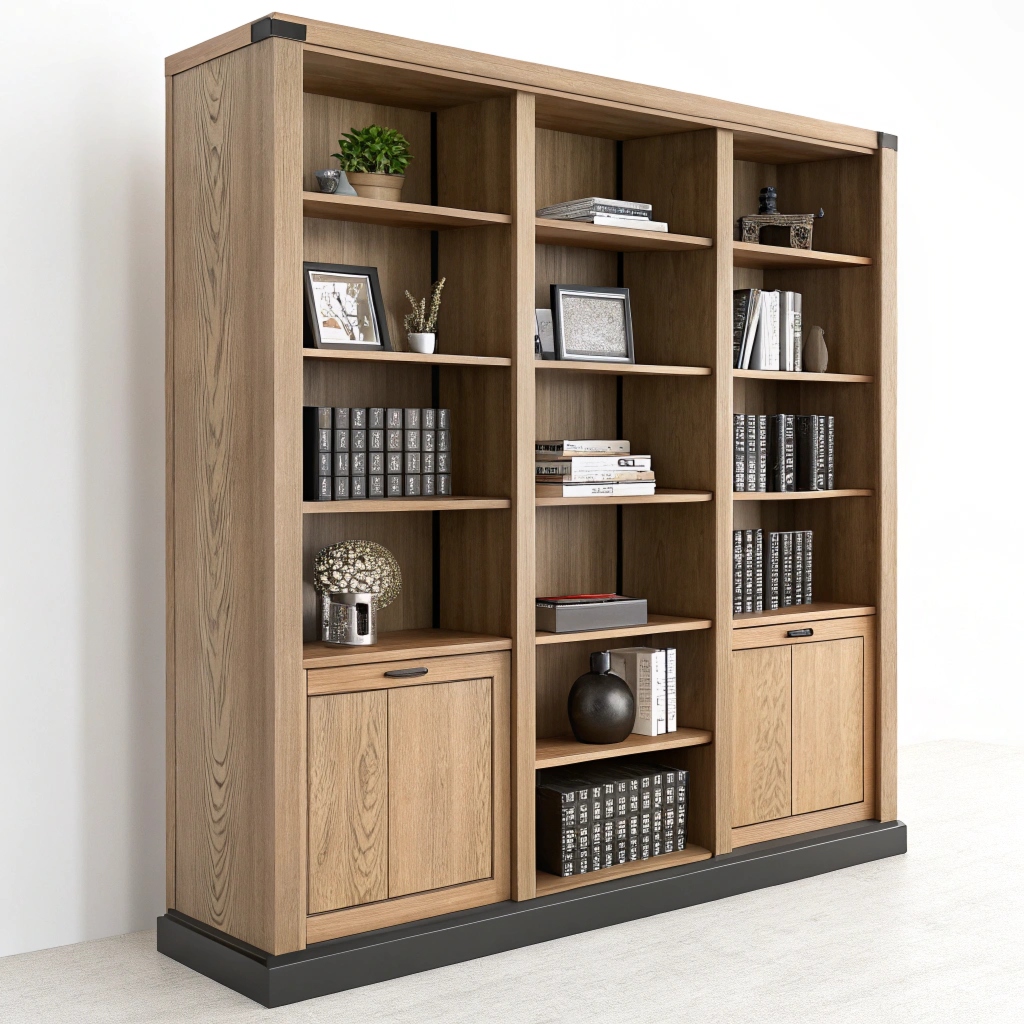
Tasmanian Oak
A collective term for three eucalyptus species, Tasmanian Oak ranges from pale cream to light brown. It has a uniform texture and straight grain, making it ideal for contemporary designs that require clean lines and consistent appearance.
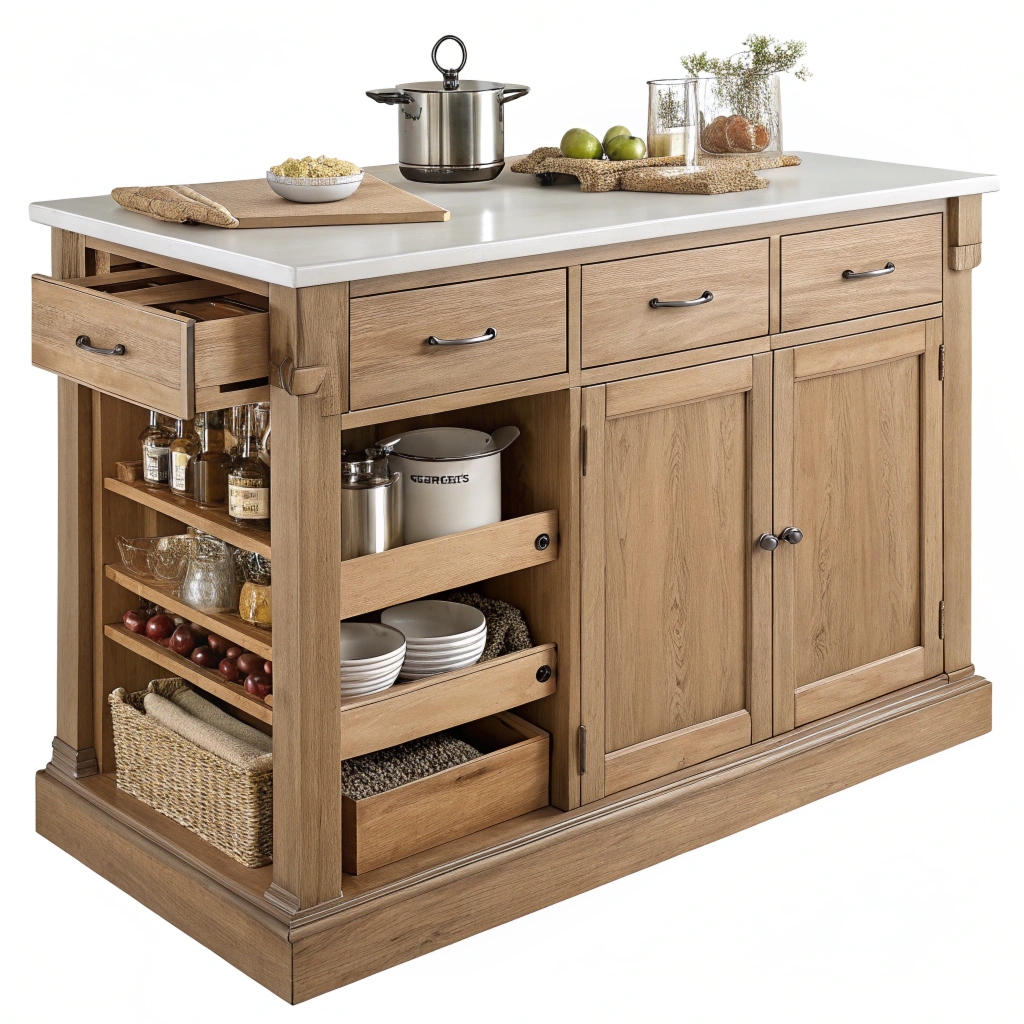
Victorian Ash
Similar to Tasmanian Oak but with slightly more color variation, Victorian Ash is a versatile timber suitable for large surfaces and structural components. Its light color works well in bright, modern interiors.
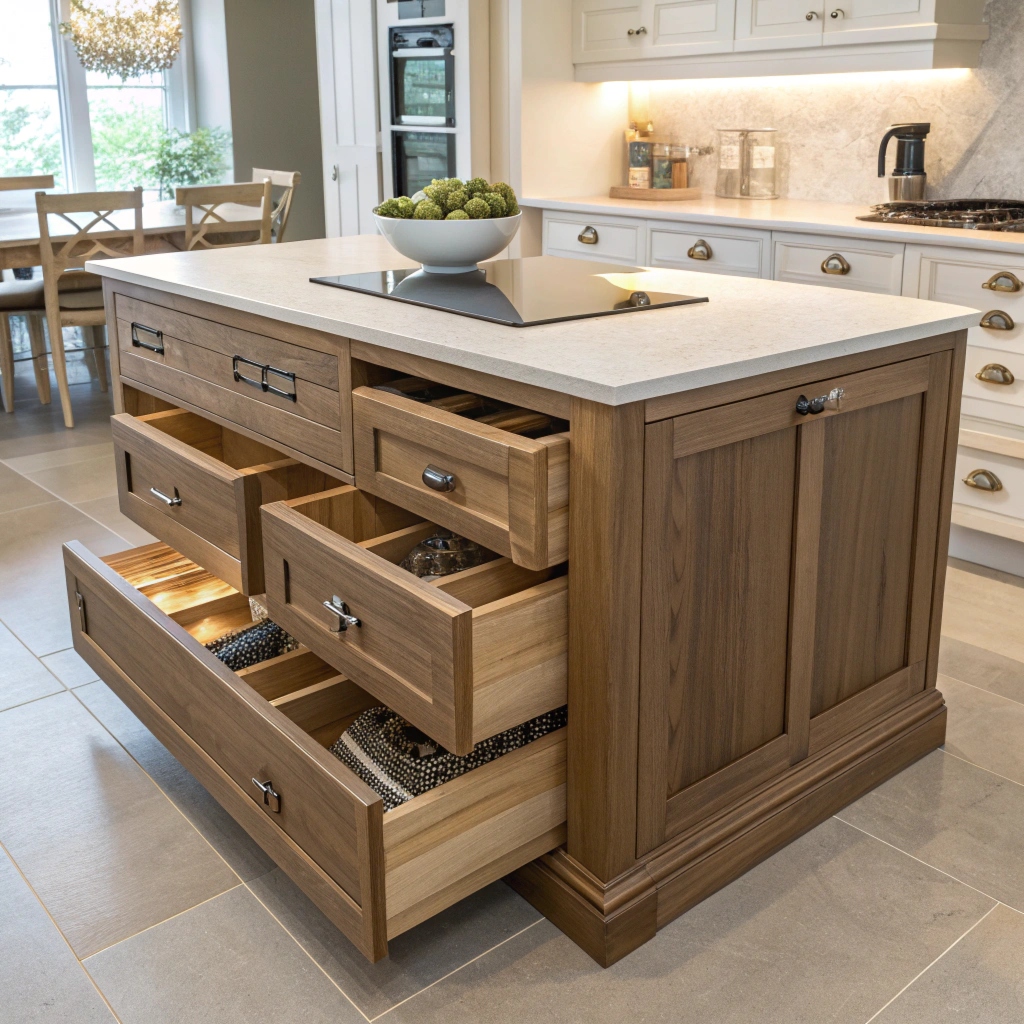
Jarrah
Western Australian Jarrah provides deep red-brown tones and exceptional durability. Its interlocking grain requires careful machining but results in furniture with distinctive character and long-term stability.
Imported Timbers
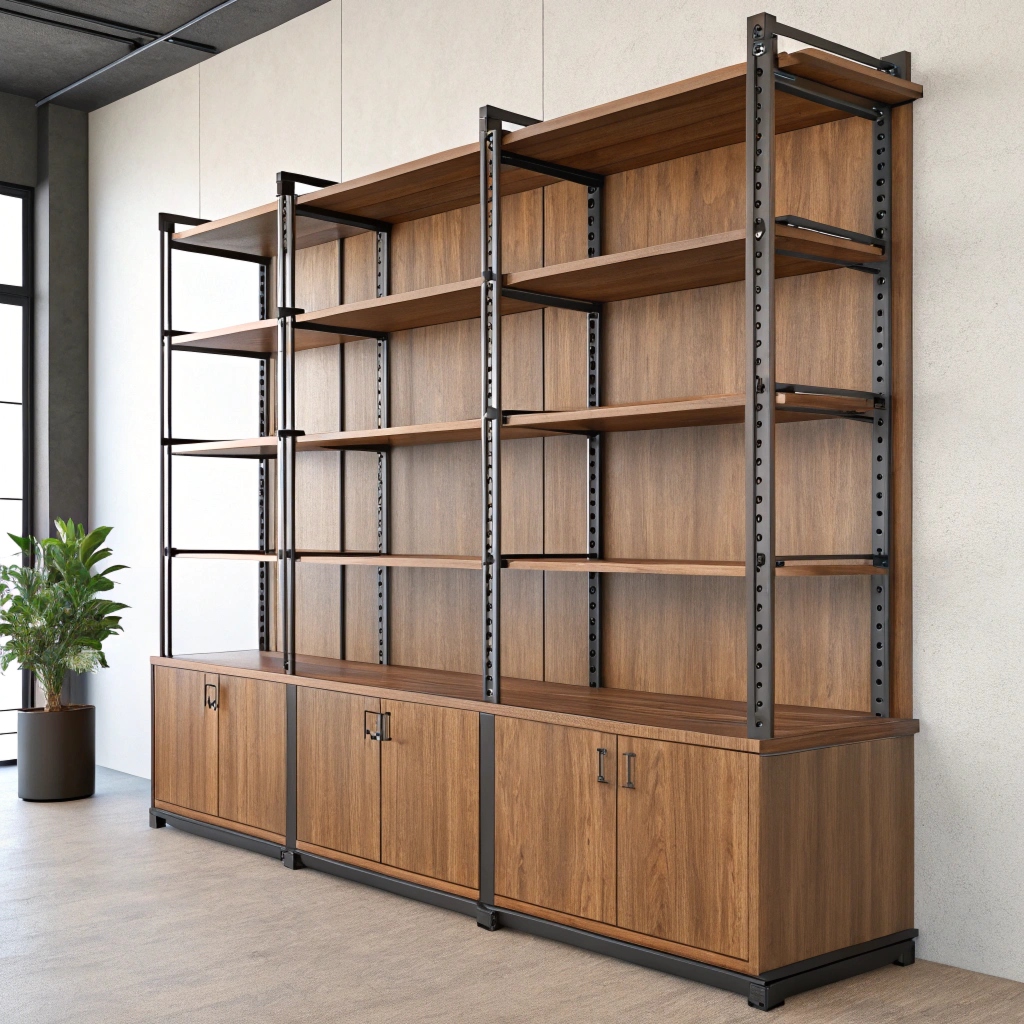
When design requirements call for specific characteristics, we work with imported species such as European Oak, American Walnut, or Japanese Cypress. These timbers are selected for their unique grain patterns, color, or working properties.
Material Selection
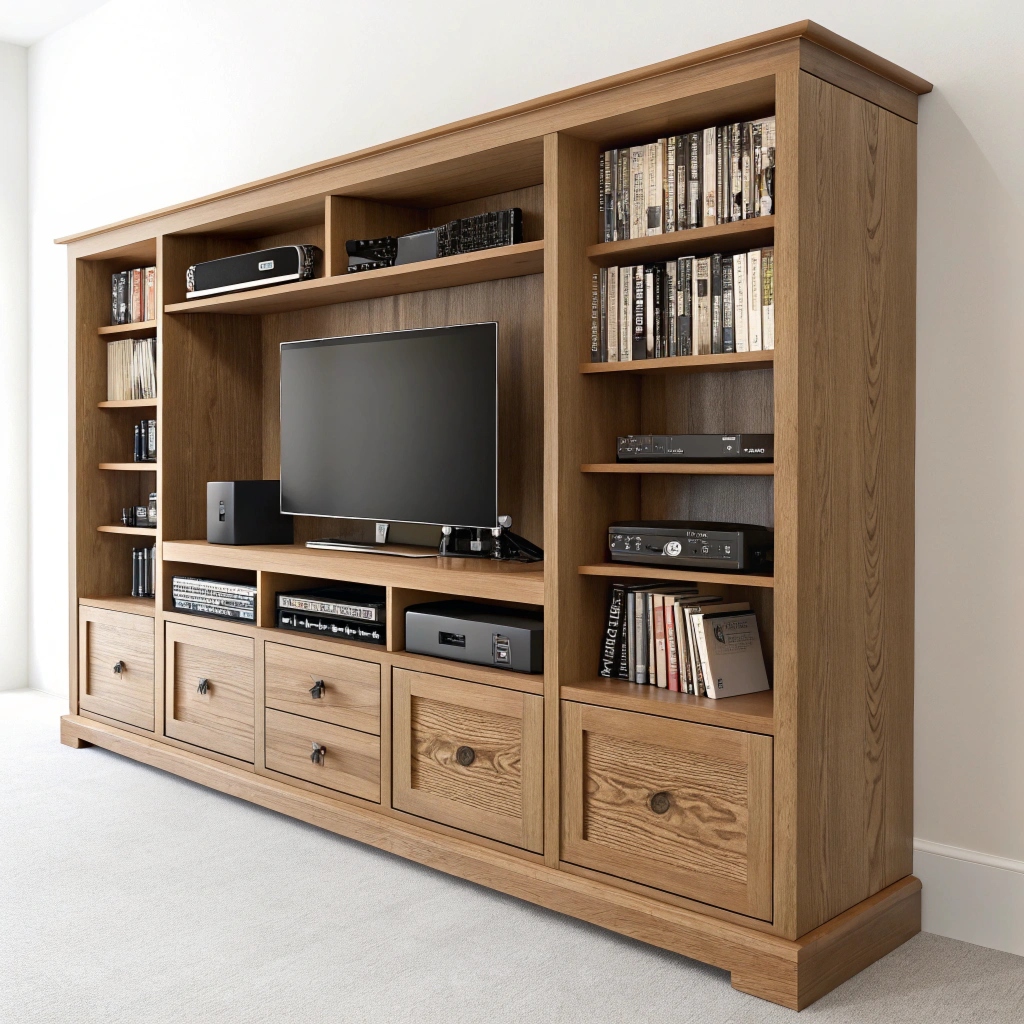
During the design phase, we discuss material options and provide samples so you can see and feel the timber before making a selection. This process ensures the chosen material aligns with both aesthetic preferences and functional requirements.
Finishing Options
Natural Oils
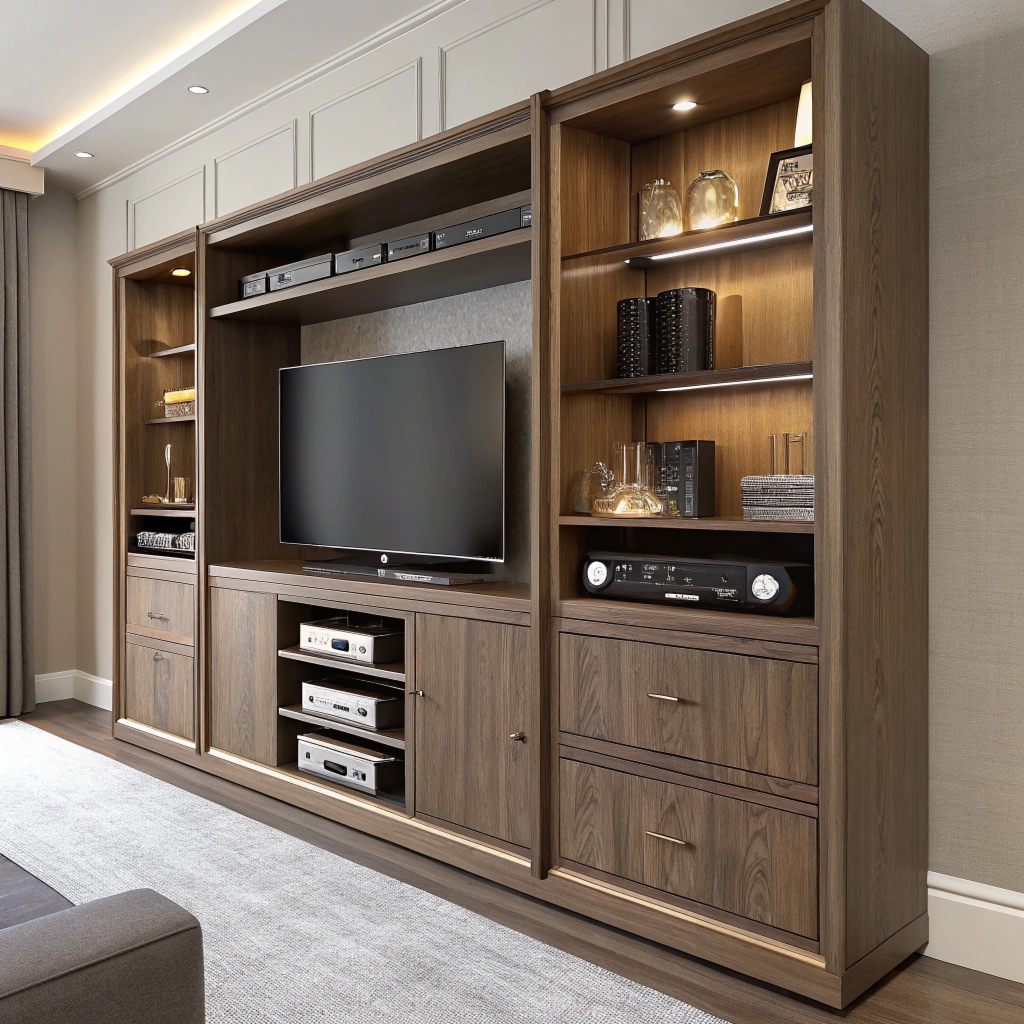
Hardwax oils and Danish oils penetrate the wood surface, providing protection while maintaining the natural feel of the timber. These finishes are easy to maintain and can be refreshed periodically to restore the surface.
Wax Finishes
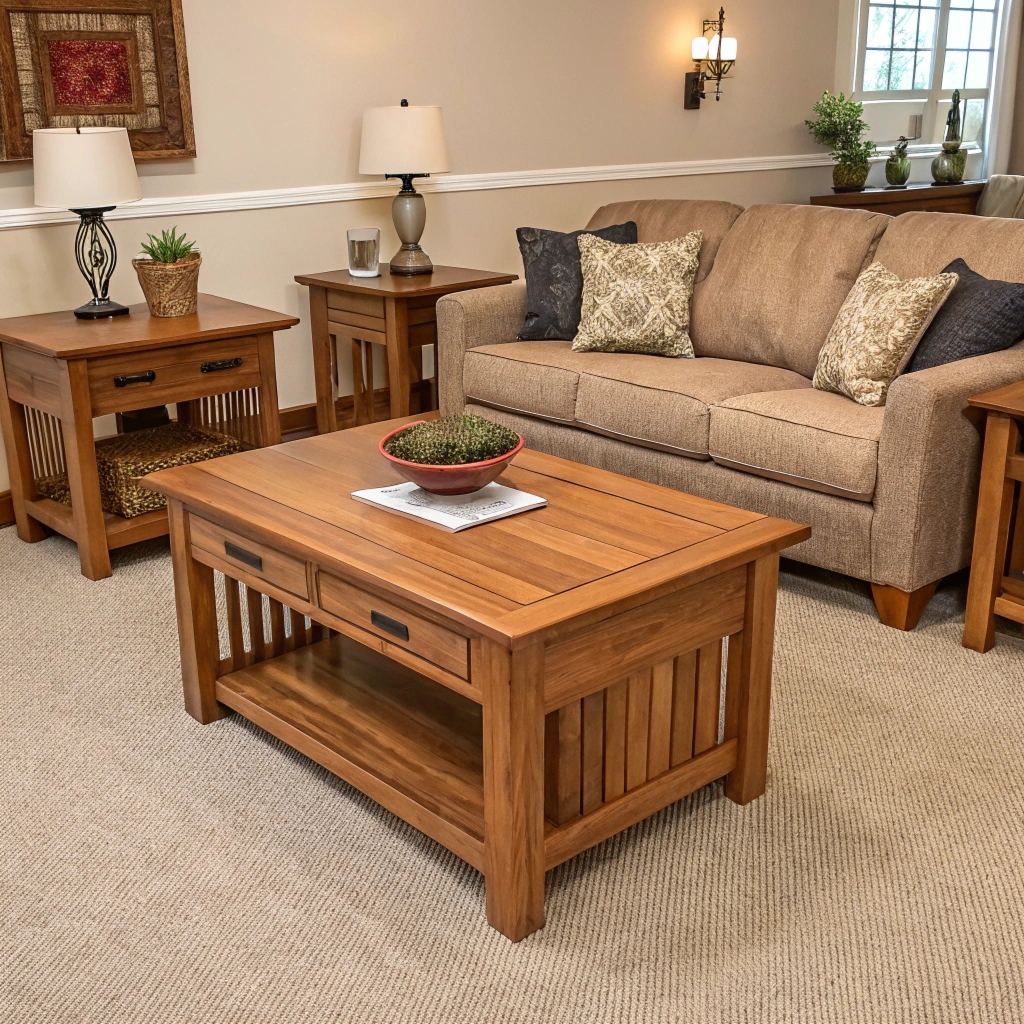
Traditional wax finishes create a soft, matte surface that highlights the wood's natural character. They require more maintenance than oil but offer a classic appearance that many prefer for period-style furniture.
Water-Based Lacquers
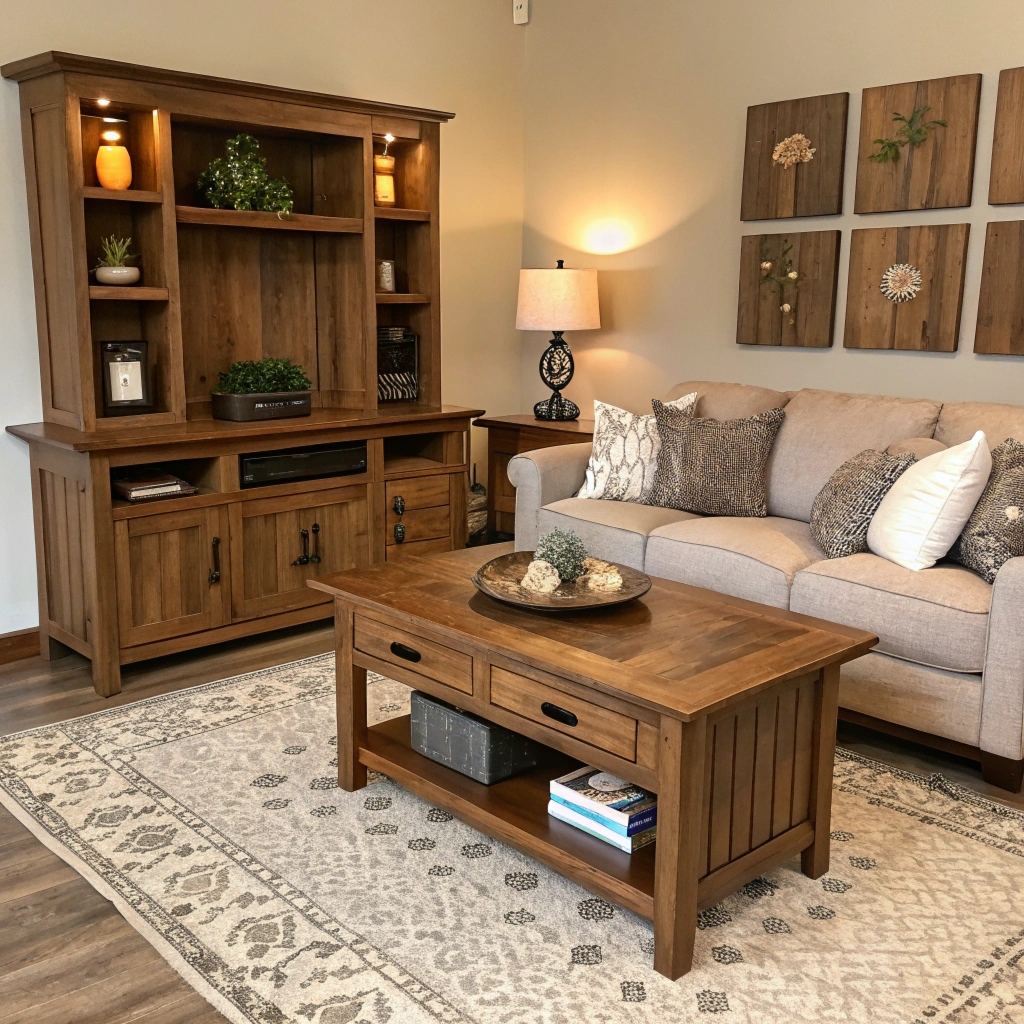
For surfaces that require greater protection, water-based lacquers provide a durable, low-sheen finish. They are environmentally preferable to solvent-based alternatives and offer good resistance to moisture and wear.
Finish Selection
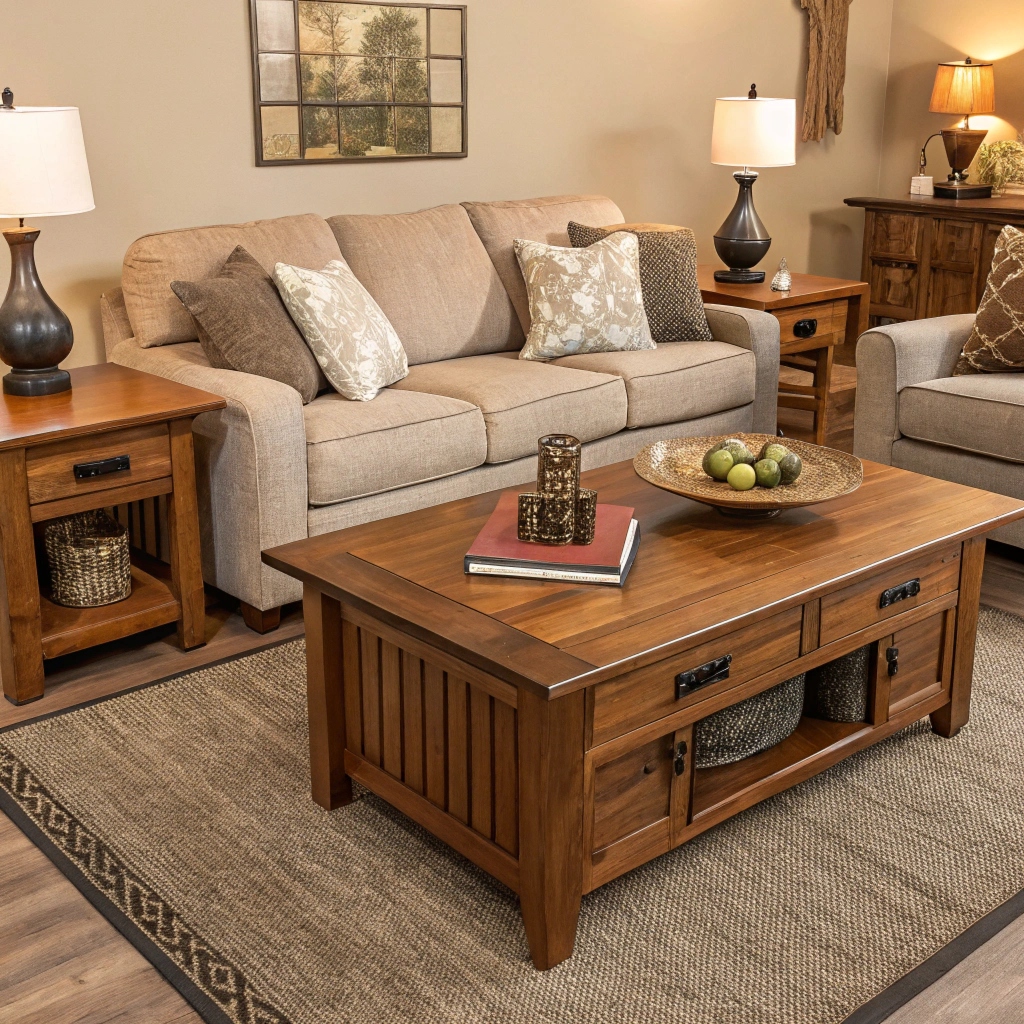
The choice of finish depends on the intended use of the furniture, the level of maintenance you prefer, and the desired appearance. We discuss these factors during the design process and can provide samples showing different finish options on your chosen timber.
Hardware and Fittings
Hardware selection is an important detail in custom furniture. We choose drawer pulls, hinges, and other fittings that complement the design without dominating it. Options range from minimal, integrated hardware to more decorative pieces that add visual interest.
All hardware is selected for both function and aesthetic integration. Drawer slides are chosen based on load requirements and desired action. Hinges are selected to match the style of the piece and provide smooth operation. Every detail is considered.