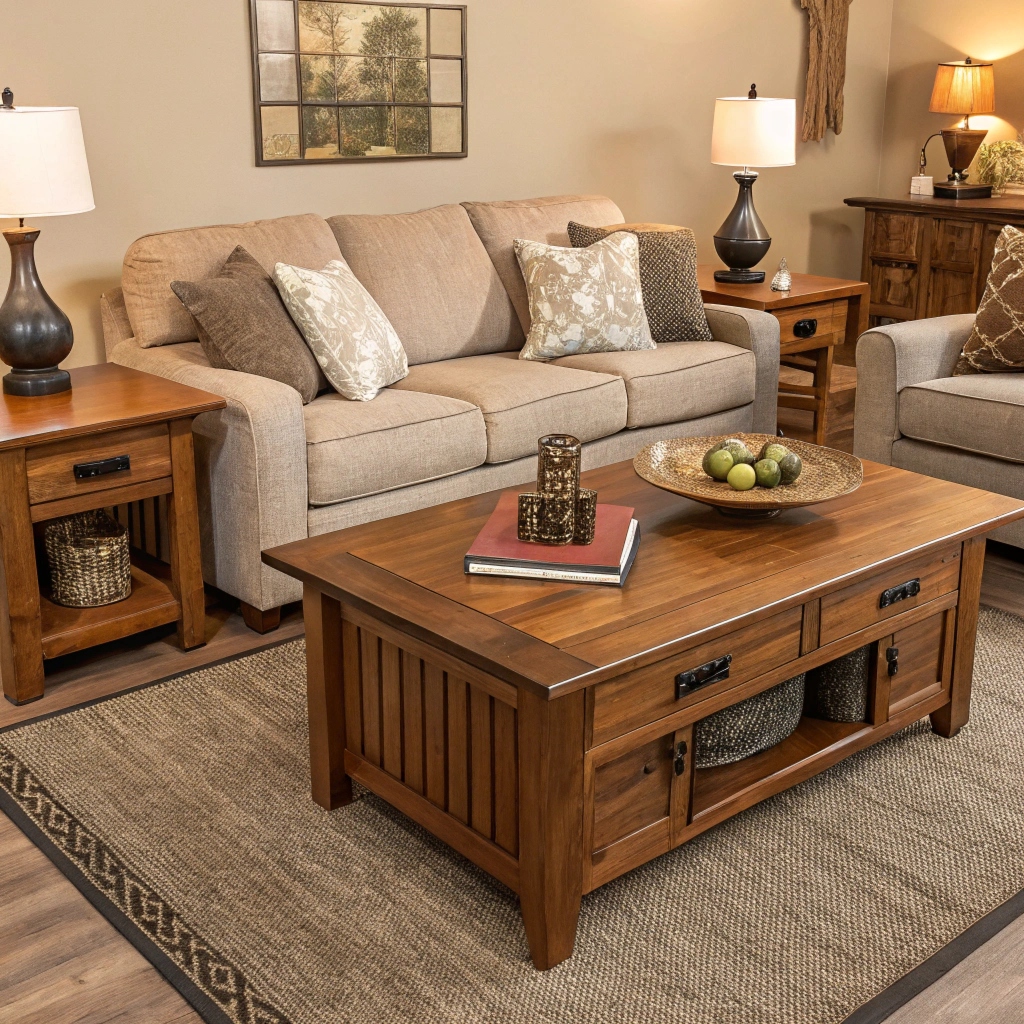
Understanding Your Requirements
Custom furniture begins with understanding what standard solutions cannot provide. Perhaps your space has unusual dimensions, specific storage needs, or architectural features that require integration. We approach each commission as a design problem to be solved through careful analysis and creative thinking.
The initial conversation explores not just what you need, but how you use your space. Do you work from home and require a desk that accommodates multiple monitors? Do you entertain frequently and need a dining table that can expand? Are you looking to maximize storage in a small apartment? These functional requirements inform every design decision.
Proportion and Scale
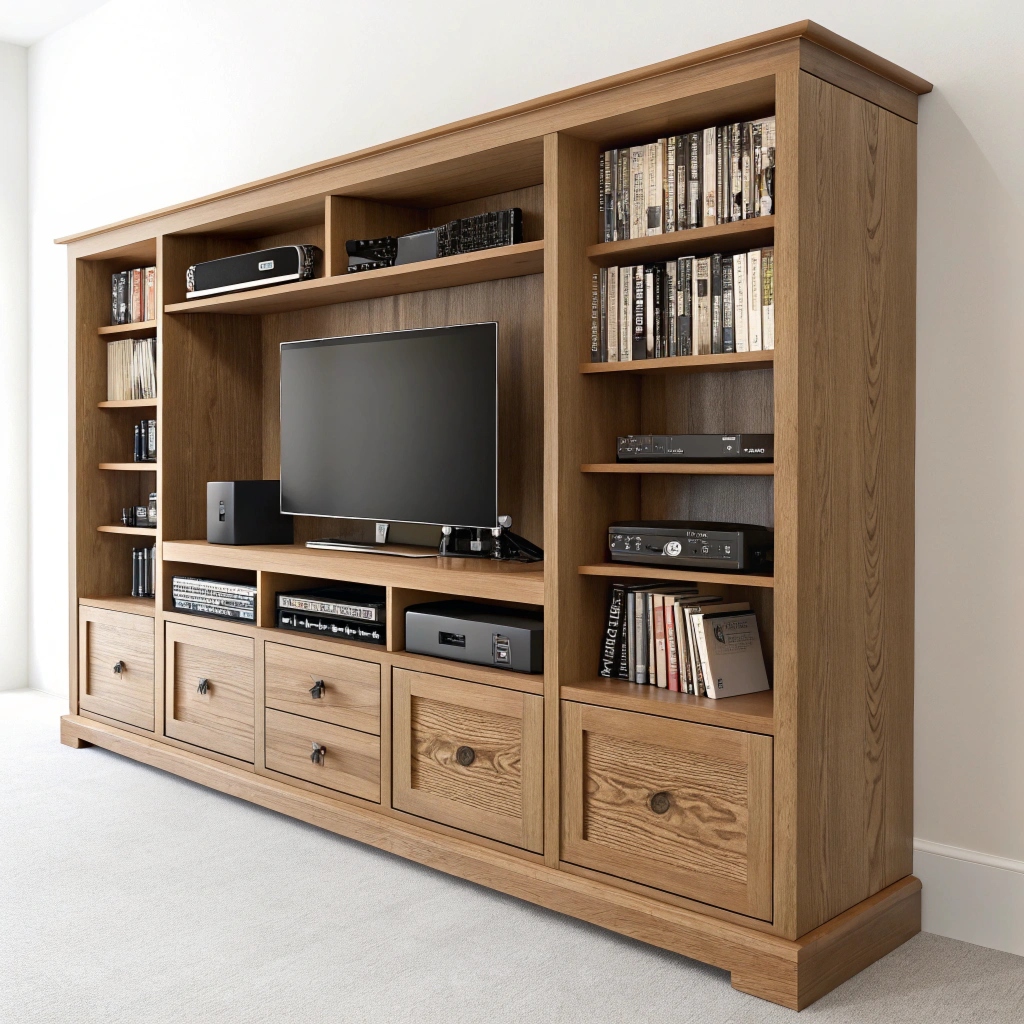
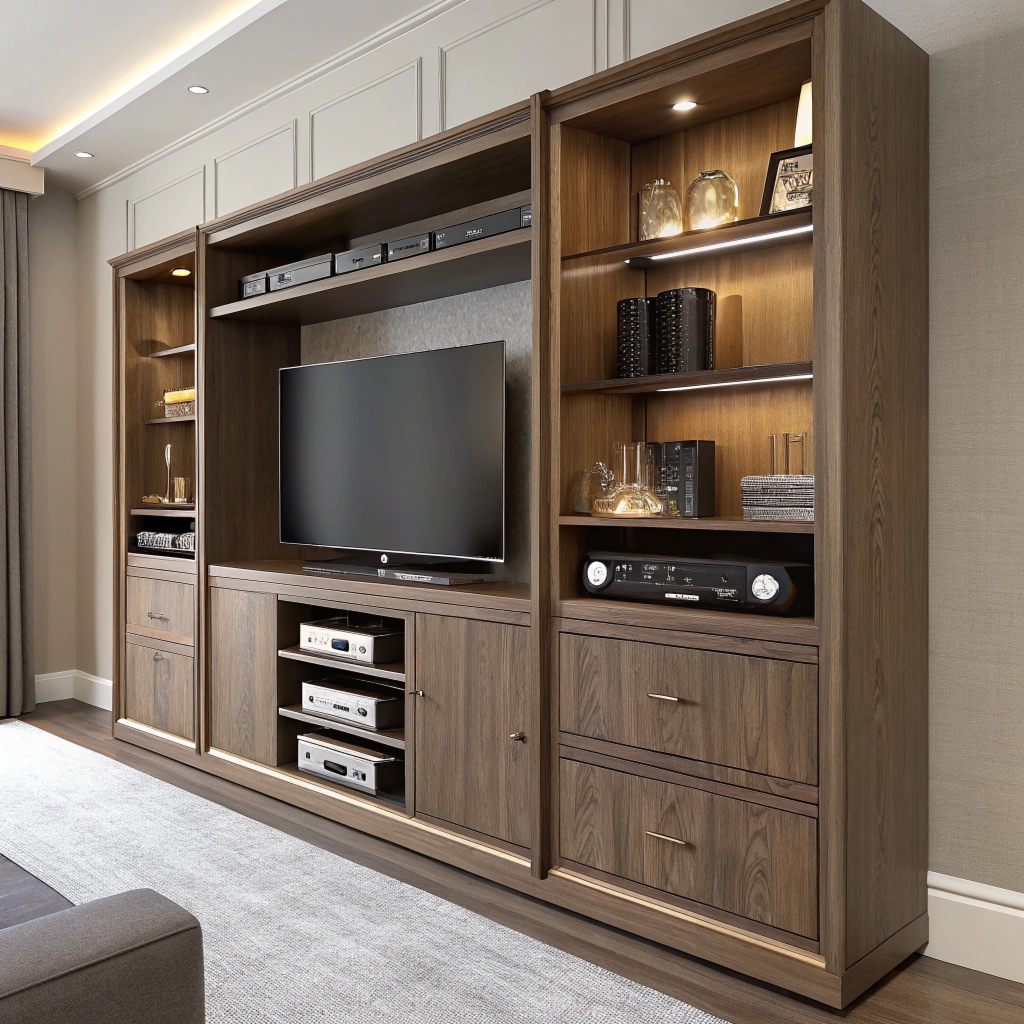
Furniture that fits a space perfectly requires attention to proportion and scale. A piece that is too large overwhelms a room; one that is too small appears lost. We create full-scale drawings and, when necessary, full-scale mockups to ensure the proportions are correct before construction begins.
These drawings consider not just the furniture itself, but its relationship to the room—the height of ceilings, the width of doorways, the flow of movement through the space. Every dimension is intentional, every proportion considered.
Material Selection
The choice of material affects both the appearance and the longevity of a piece. We work primarily with solid timber, selecting species based on their working properties, grain patterns, and color characteristics. Australian hardwoods offer durability and distinctive grain, while imported timbers may provide specific aesthetic qualities required by the design.
We discuss material options during the design phase, showing samples and explaining the characteristics of each species. The final selection balances aesthetic preference, functional requirements, and budget considerations.
Construction Methods
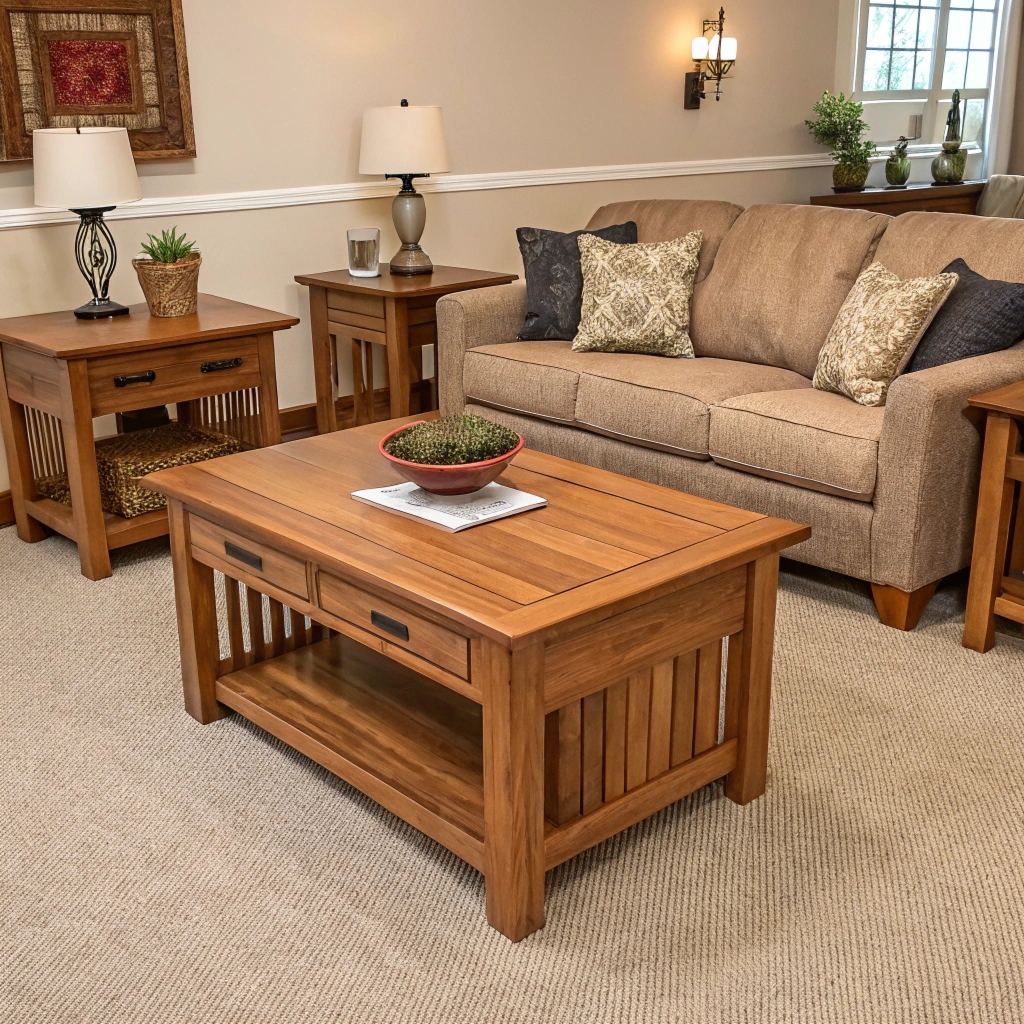
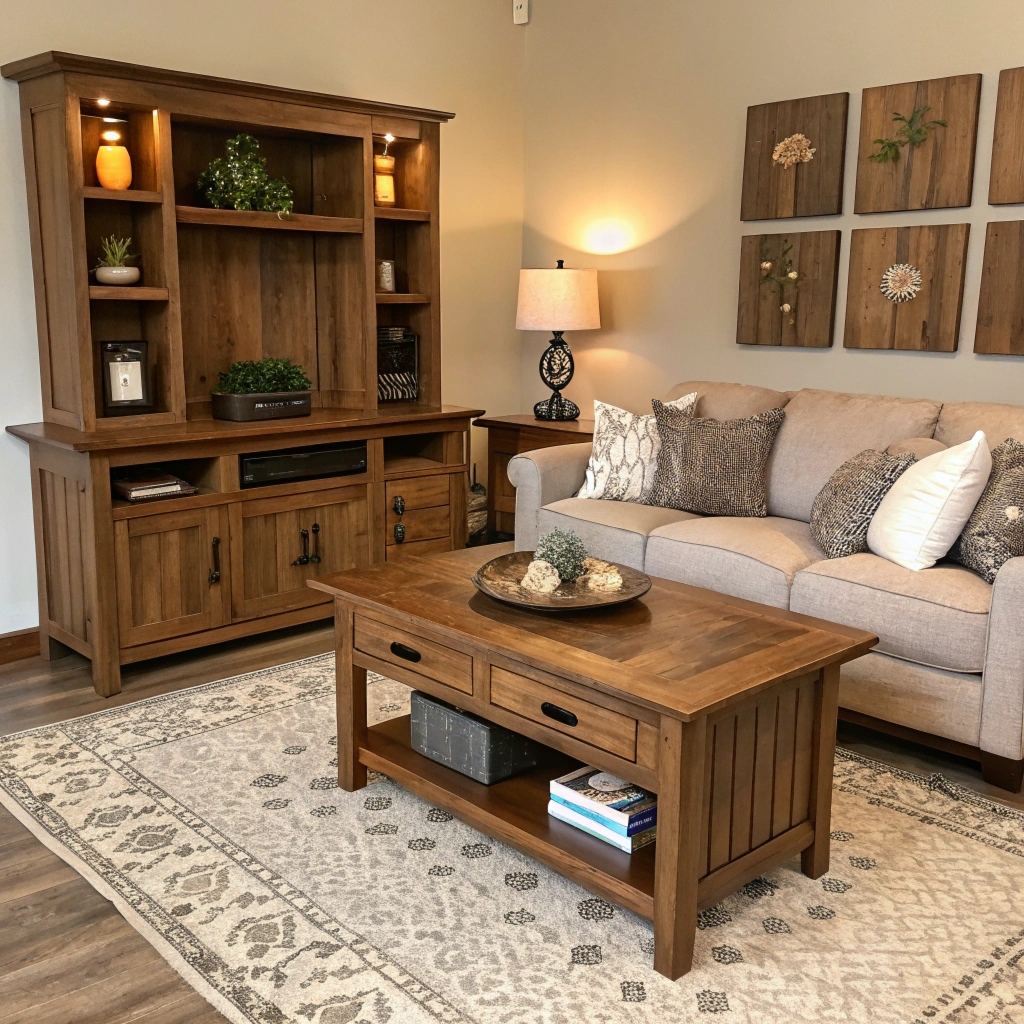
Our construction methods are traditional, chosen for their proven durability. Mortise and tenon joints for frames, dovetails for drawers, frame and panel construction for large surfaces—these techniques have been refined over centuries and remain the standard for quality furniture making.
We avoid shortcuts that compromise longevity. Drawers are built with solid timber sides and dovetailed corners. Doors use frame and panel construction to allow for wood movement. Legs are joined to rails with mortise and tenon joints, not screws or brackets. These methods require more time and skill, but they result in furniture that will last generations.
Finishing and Detail
The finish applied to a piece of furniture affects both its appearance and its protection. We use natural oils, waxes, and water-based lacquers that enhance the wood's natural character rather than obscuring it. The finish is applied carefully, with multiple coats sanded between applications to achieve a smooth, durable surface.
Details matter. Edge profiles are shaped by hand to create subtle shadows and highlights. Hardware is selected to complement the design, not dominate it. Drawer pulls, hinges, and other fittings are chosen for both function and aesthetic integration.